MEDICINES
Drug crystals can grow more evenly, helping scientists understand how medicines form.
↗
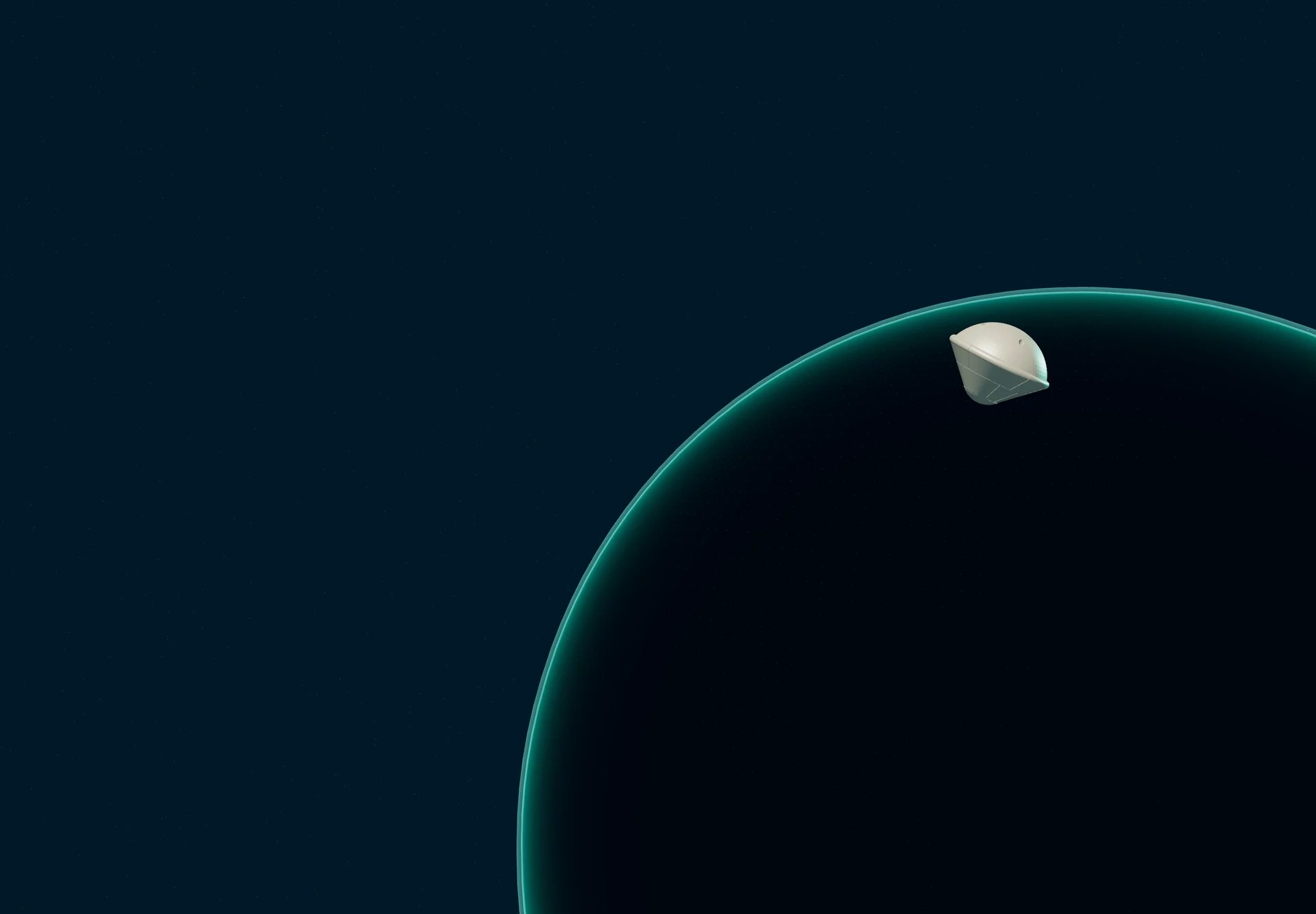
A RIDE HOME FOR RESEARCH
Zavity is building Gravion, a small capsule designed to bring experiments back from orbit, so what we learn in space can be used on Earth.
01 — WHY SPACE
On Earth, heavy particles sink and warm liquids churn. In orbit, that stops. Crystals, materials and living cells can form and grow in ways that are hard to reproduce on the ground.

Try it. Switch gravity off.
A simplified illustration of particle behaviour.
TRY THE SCIENCE
Explore how growing a crystal connects to understanding a protein — and how that knowledge can guide medicine research.
Same protein. Different environment. Compare two illustrations of crystal growth.
ON EARTH · GRAVITY AT WORK
Settling and buoyancy-driven flow can affect crystal growth. This example shows crystals with more variation in size and orientation.
Illustrative comparison, not measured data. Results depend on the protein and growth conditions; Earth-grown crystals can also be high quality.
Explore the research · NASAExplore a protein’s binding pocket. Try two candidate shapes and see what changes.
CANDIDATE A · SHAPE MISMATCH
This candidate does not fit the illustrated pocket. Studying a protein’s structure helps researchers explore other molecular shapes.
A shape analogy, not a molecular simulation. Fictional protein and candidates; the dashed lines illustrate possible interactions.
Explore protein binding · RCSB PDBMost experiments need to be back in a lab on Earth to be studied.
02 — GRAVION
A small capsule designed to carry experiments to orbit and bring them safely back to Earth.
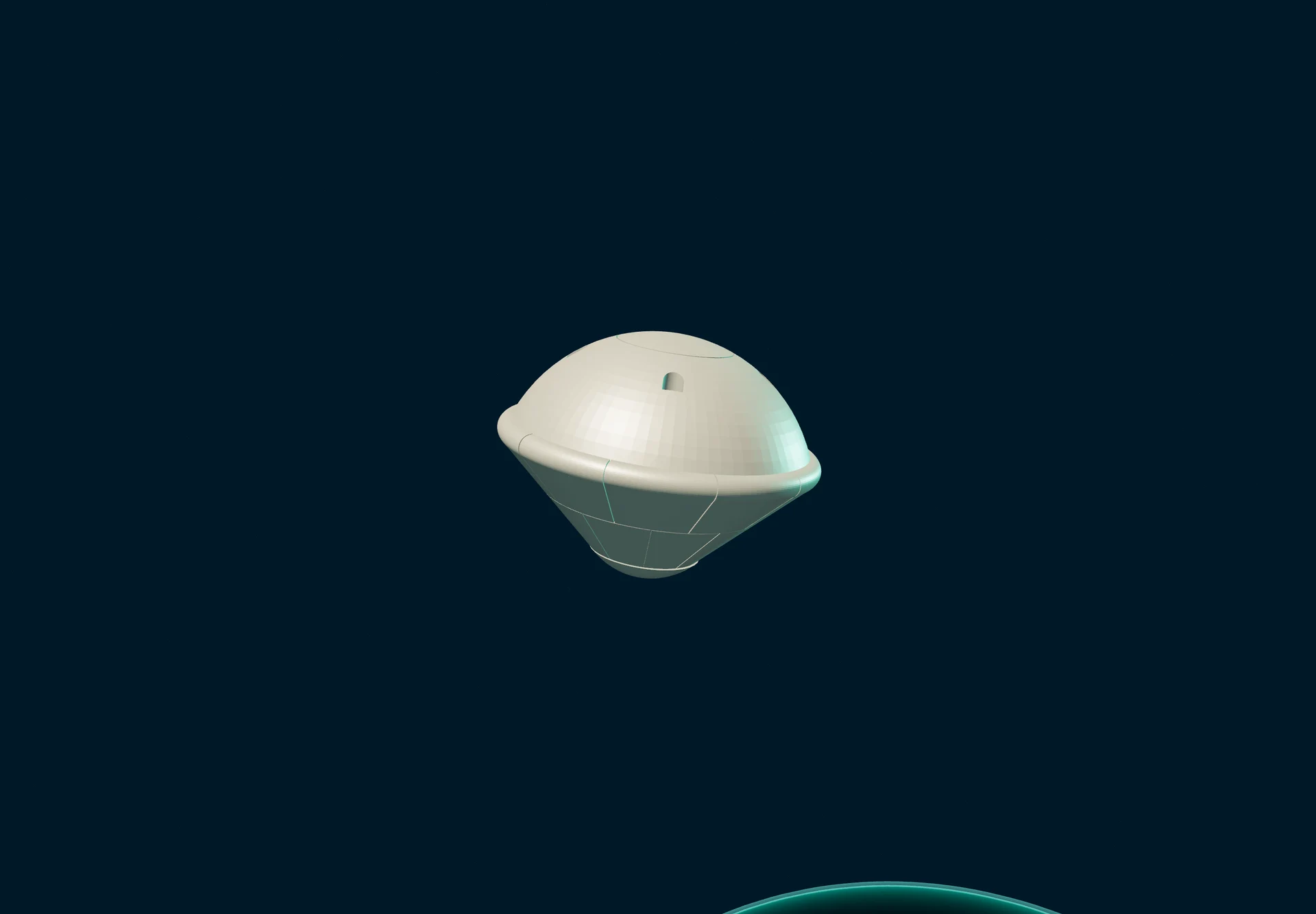
Faces forward on the way down and takes the heat of re-entry.
Where the science rides: medicines, materials and living samples.
Open once the fiery part is over, to slow the capsule down.
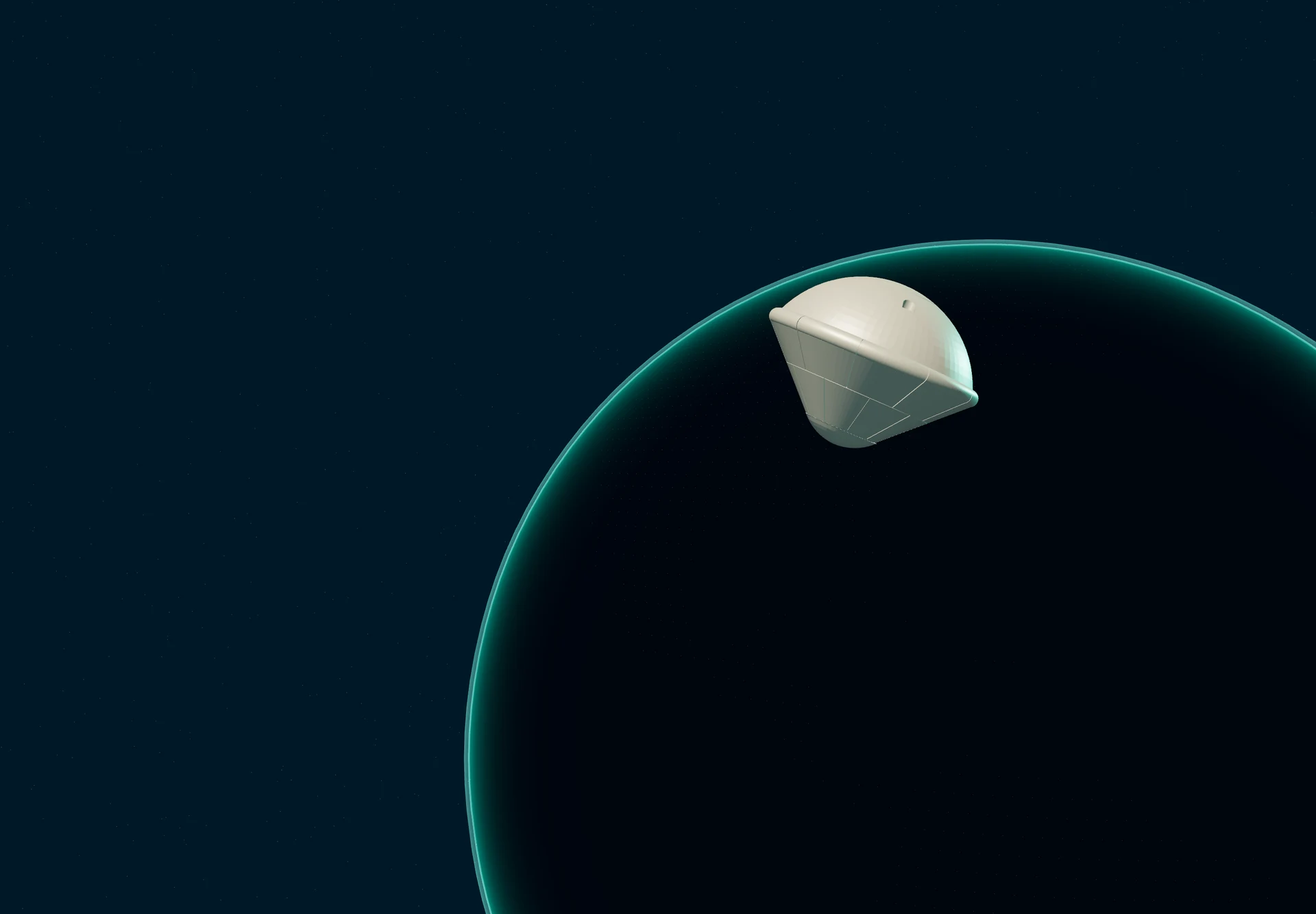
When the experiment is done, Gravion leaves orbit and points its heat shield at Earth.
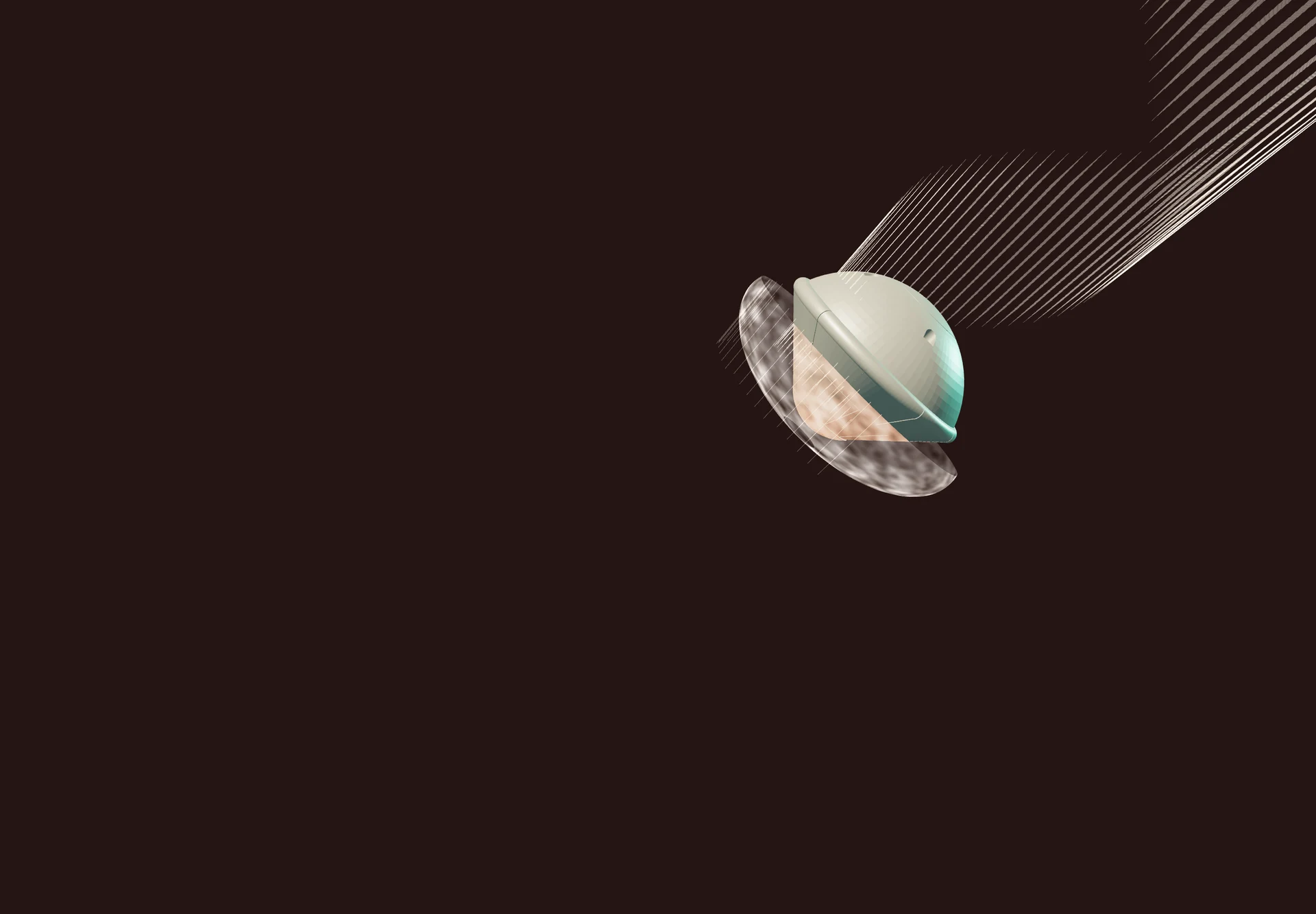
Air turns to glowing plasma around the capsule. The heat shield takes the heat and protects the experiments inside.
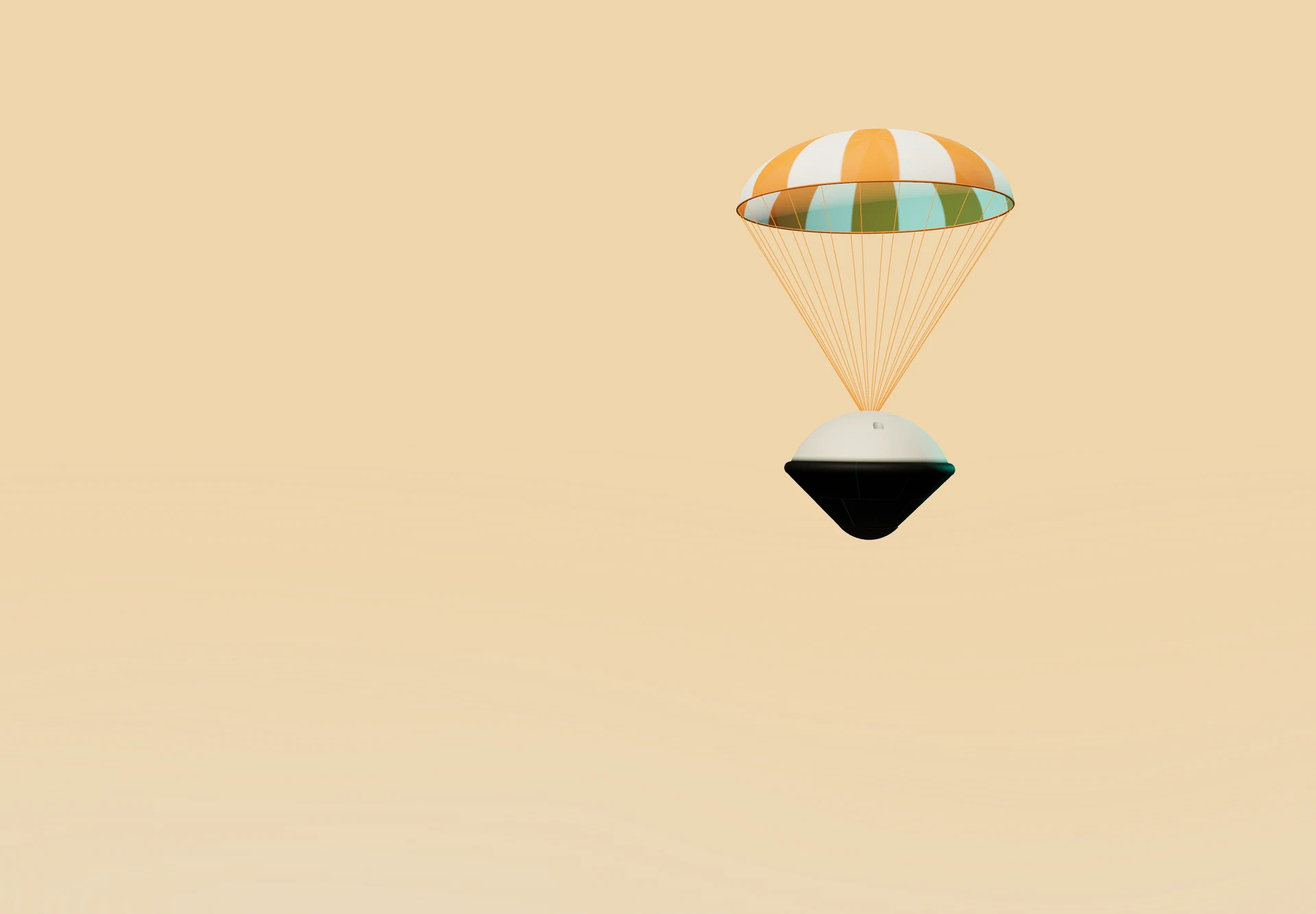
Once the fire is over, parachutes open and the capsule drifts down.

The capsule is recovered and the experiments go back to the scientists who sent them.
04 — WHY NOW
Shared rides on rockets have made it far easier to send small experiments to space.
Read the research ↗The International Space Station, home to much of today's orbital research, is planned to retire after 2030. That research will need new ways up and back.
Read the research ↗05 — THE PEOPLE
Founder-led engineering with an expanding advisory network.

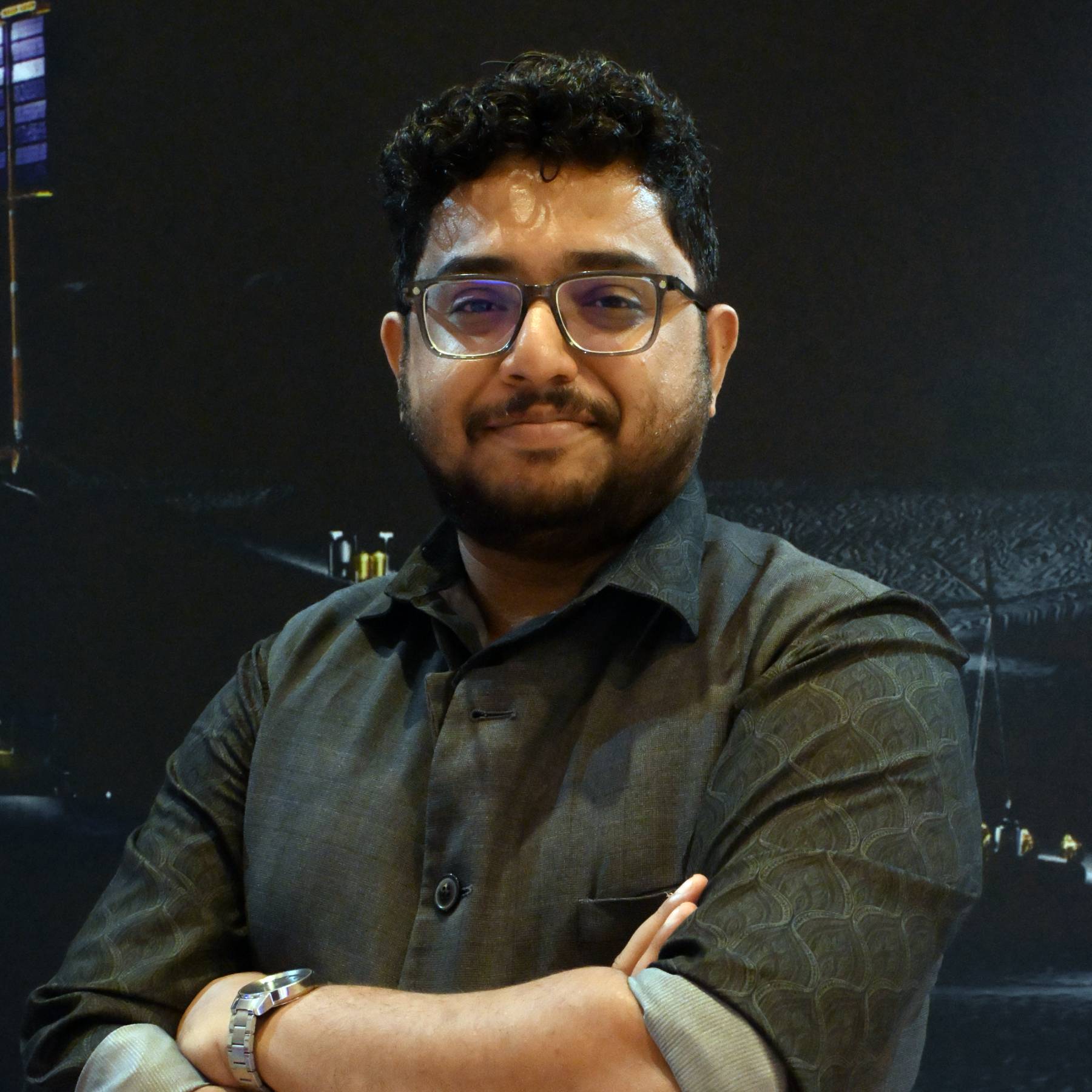
Founder & CEO
Aircraft maintenance engineer by training; co-founded SSERD, a space-education non-profit, and Genex Space; 10+ years of entrepreneurship experience. Leads strategy, fundraising and partnerships; hands-on in electronics and power design.
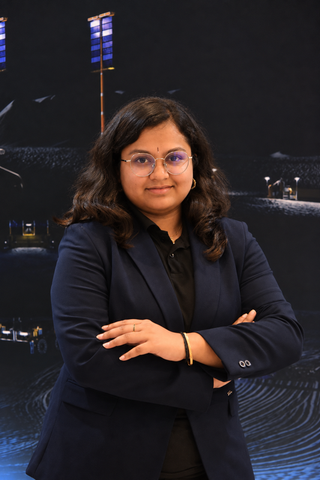
Co-Founder & VP Engineering
B.E. Aerospace; R&D lead at Genex Space, running a ~20-person team; designed GenexSat's PocketQube structure and deployer, built with IISc. Owns Gravion's structure and heat shield.
Aerospace • Space Technology • Research • Commercialisation
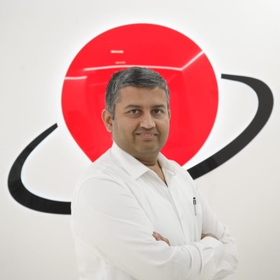
Chief Executive Officer
Red Balloon Aerospace
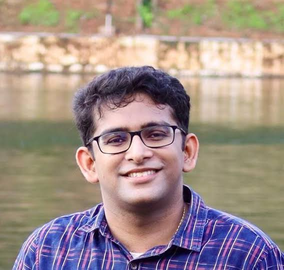
Chief Growth Officer
InspeCity
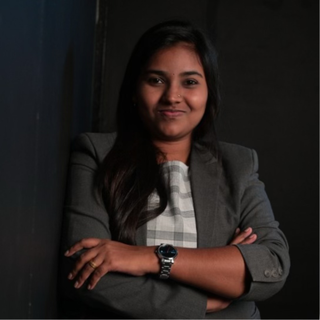
Chief Executive Officer
Genex Space
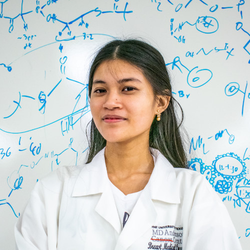
Space Biology Research Associate
Yuri Gravity
GNC & Flight Dynamics Engineer, Aerothermal & TPS Engineer, Avionics & Embedded Flight Software Engineer, AIT Engineers
Explore open roles ↗Read why return matters now, and request our investor brief.
Tell us what you'd like to send up, and bring back.